
Student Research Symposium Program Portal: Submission #204
Submission information
Submission Number: 204
Submission ID: 9052
Submission UUID: 28a74420-e99a-400e-ae06-d63625a28cb6
Submission URI: /student-research/symposium/research-symposium-program-portal
Created: Fri, 01/30/2026 - 09:26 AM
Completed: Fri, 01/30/2026 - 09:50 AM
Changed: Fri, 04/03/2026 - 12:51 PM
Remote IP address: 146.201.10.32
Submitted by: Anonymous
Language: English
Is draft: No
Submitted to: Student Research Symposium Program Portal
Skyler
Putnam
He/him
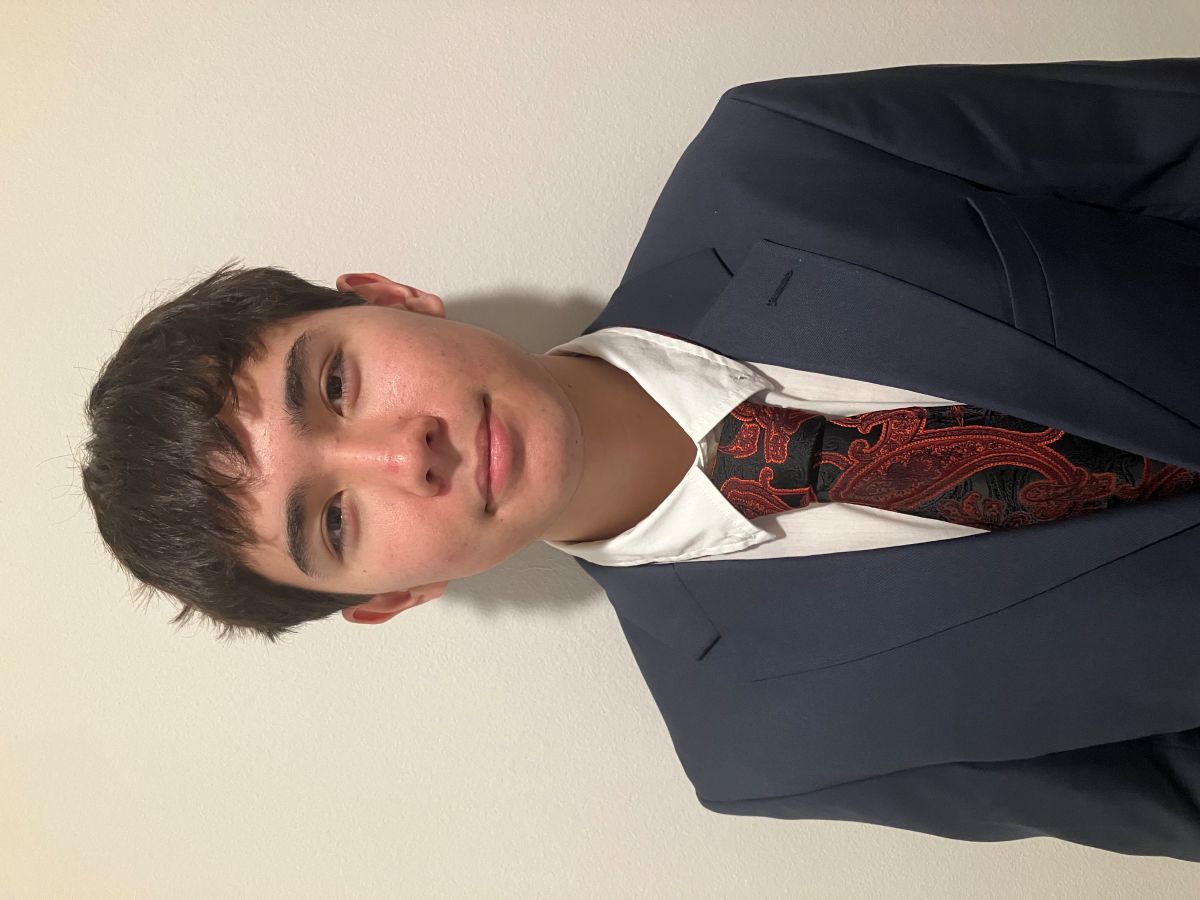
High School; Intended major: Computer Engineering or Science
My name is Skyler, and I was born in Japan at the Misawa Air Force Base. I moved to Florida during 2024, where I’ve since been at Panama City. I am a high schooler who is currently dual enrolled through The Collegiate School, and I like doing anything related to staying indoors (watching movies, playing video/board games). My hobbies include programming and robotics. In the future I wish to do something in the field of computer science or become a robotics engineer.
Developing an app to measure the correlation between blink rate and time of day
People around the world rely on computers every day to complete a wide variety of tasks, but frequent computer use can negatively impact the human body. One common issue is eye strain, as prolonged screen time can cause the eyes to become dry and fatigued. Blinking is essential for maintaining ocular homeostasis because it keeps the eye’s surface properly lubricated. Research by Ousler et al. (2014) shows that individuals with dry eyes spend more time with their eyes closed each minute than those without dry eyes in order to maintain this balance.
This study focuses on blinking behavior and examines whether blink frequency during computer use varies depending on the time of day. Understanding these patterns is important for supporting eye health, especially as digital device use continues to rise. However, accurately measuring blink rates is difficult without technological assistance.
To address this challenge, I developed a Python application to detect and track blink frequency. In this pilot study, the app will record blink rates during three time periods—morning, afternoon, and night. The long‑term goal is to create a tool that alerts users when their blink rate falls outside normal ranges, helping them make informed decisions and reduce the risk of eye strain.
This study focuses on blinking behavior and examines whether blink frequency during computer use varies depending on the time of day. Understanding these patterns is important for supporting eye health, especially as digital device use continues to rise. However, accurately measuring blink rates is difficult without technological assistance.
To address this challenge, I developed a Python application to detect and track blink frequency. In this pilot study, the app will record blink rates during three time periods—morning, afternoon, and night. The long‑term goal is to create a tool that alerts users when their blink rate falls outside normal ranges, helping them make informed decisions and reduce the risk of eye strain.
Madisyn Flammia
The Collegiate School
Research
mjf24@fsu.edu
Karen Works
{Empty}
Computer vision, blink rate, Python
11:15 High School presentations
Complete
Face to Face Poster session
S. Putnam Poster.pdf339.72 KB
{Empty}
No
2026
5th annual Undergraduate Research Symposium, April 17, 2025
https://pc.fsu.edu/student-research/symposium/research-symposium-program-portal?element_parents=elements/student_photo&ajax_form=1&_wrapper_format=drupal_ajax&token=X2vuov0ROLEpPqs9u90gutaSTvOJMFMekrj7N8eeG64
{Empty}