
Student Research Symposium Program Portal: Submission #213
Submission information
Submission Number: 213
Submission ID: 9061
Submission UUID: f2226717-9cbb-4308-b8c4-d2e84760b0d0
Submission URI: /student-research/symposium/research-symposium-program-portal
Created: Fri, 01/30/2026 - 12:46 PM
Completed: Fri, 01/30/2026 - 12:47 PM
Changed: Fri, 04/03/2026 - 01:52 PM
Remote IP address: 146.201.10.14
Submitted by: Anonymous
Language: English
Is draft: No
Submitted to: Student Research Symposium Program Portal
Sophia
Rieser
She/her
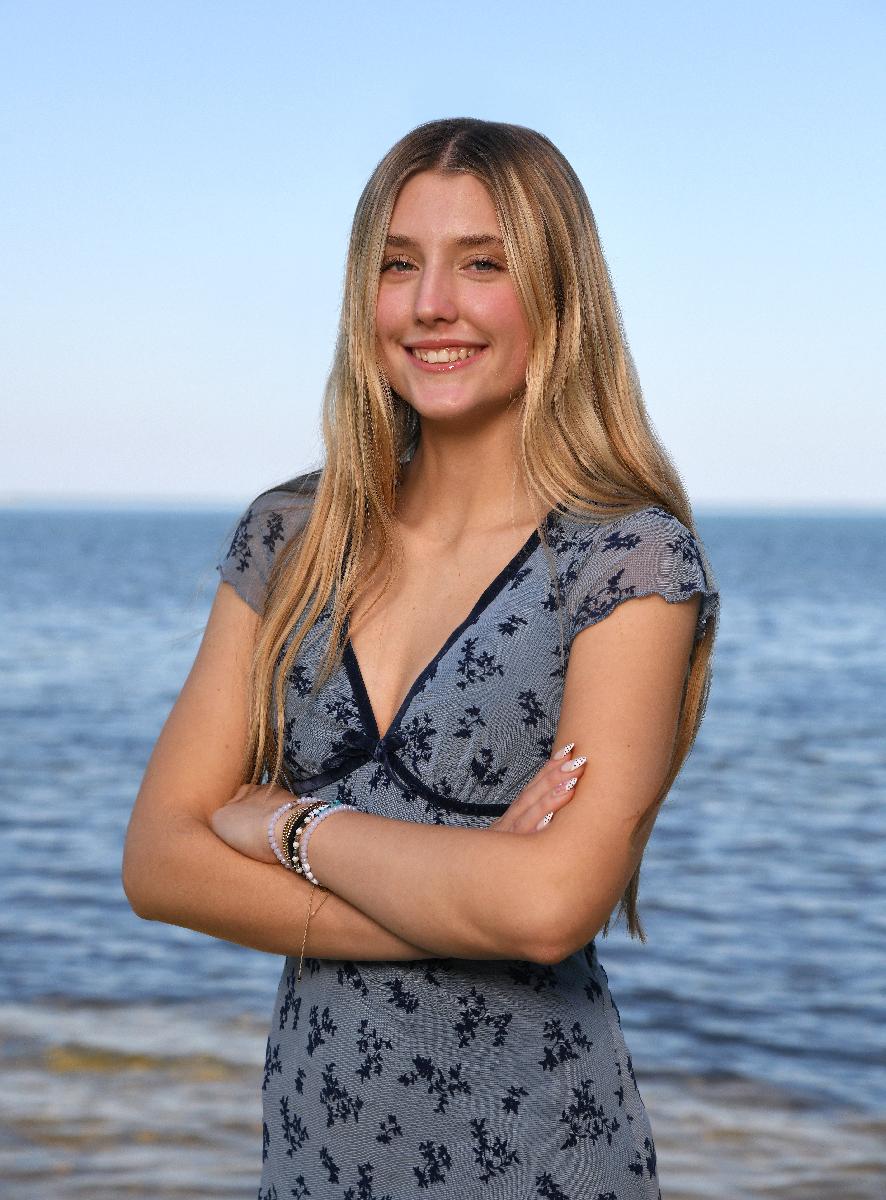
Dual enrolled ; Intended Major : Nursing
My name is Sophia, and I am an 11th grade dual enrolled student at The Collegiate School. I am born and raised in Panama City Beach, Florida. I am very passionate about the medical field and plan to major in Nursing. In my future, I would like to be a trauma nurse and a part time paramedic.
Artificial Scenarios, Authentic Outcomes: Simulation in Pediatric Education
Simulation learning is a teaching method that uses realistic and interactive scenarios to help you prepare and practice skills in a controlled environment. However, there is very little research regarding simulation learning in the pediatric field. So far, in simulation learning labs, there is only research based on simulation learning for everyone, but no specifics with children. Children are very different than adults, they can be more sporadic, and aren’t predictable, so they need providers who are trained in these skills. My goal for this research is to create an online prototype website that trains professionals to be able to respond to these unpredictable cases. I will be interviewing pediatric doctors/nurses to gain insight into work-related struggles and how they feel nursing school could have better prepared them. and what they could have been more prepared on in school. This software will ideally target the unpredictability of working with children, with scenarios such as a child not wanting to take medicine, or a child refusing to answer questions and it may suggest different ways to get them to open up and help them to help you to be able to do you job. The expected outcome of this is to help future pediatric nurses and doctors be more confident in their skills before going into the field.
Madi Flammia
The Collegiate School at FSU PC
Research
mjf24@fsu.edu
{Empty}
{Empty}
Nursing, Simulation, Pediatric
11:15 High School presentations
Complete
Face to Face Poster session
S. Rieser Poster.pdf194.52 KB
{Empty}
No
2026
5th annual Undergraduate Research Symposium, April 17, 2025
https://pc.fsu.edu/student-research/symposium/research-symposium-program-portal?element_parents=elements/student_photo&ajax_form=1&_wrapper_format=drupal_ajax&token=V02BsaN89c2TfUwNRsZ637gNt0I9-FiSyLHX0s_TL9w
{Empty}