
Student Research Symposium Program Portal: Submission #176
Submission information
Submission Number: 176
Submission ID: 9024
Submission UUID: 7069a8ef-5ea1-473d-92ec-346f0d97e8e3
Submission URI: /student-research/symposium/research-symposium-program-portal
Created: Sun, 01/25/2026 - 04:23 PM
Completed: Sun, 01/25/2026 - 04:25 PM
Changed: Fri, 04/10/2026 - 03:41 PM
Remote IP address: 2601:4c0:4180:4340:9d04:5eae:1421:19b4
Submitted by: Anonymous
Language: English
Is draft: No
Submitted to: Student Research Symposium Program Portal
Astrid
Daugherty
she/her/hers
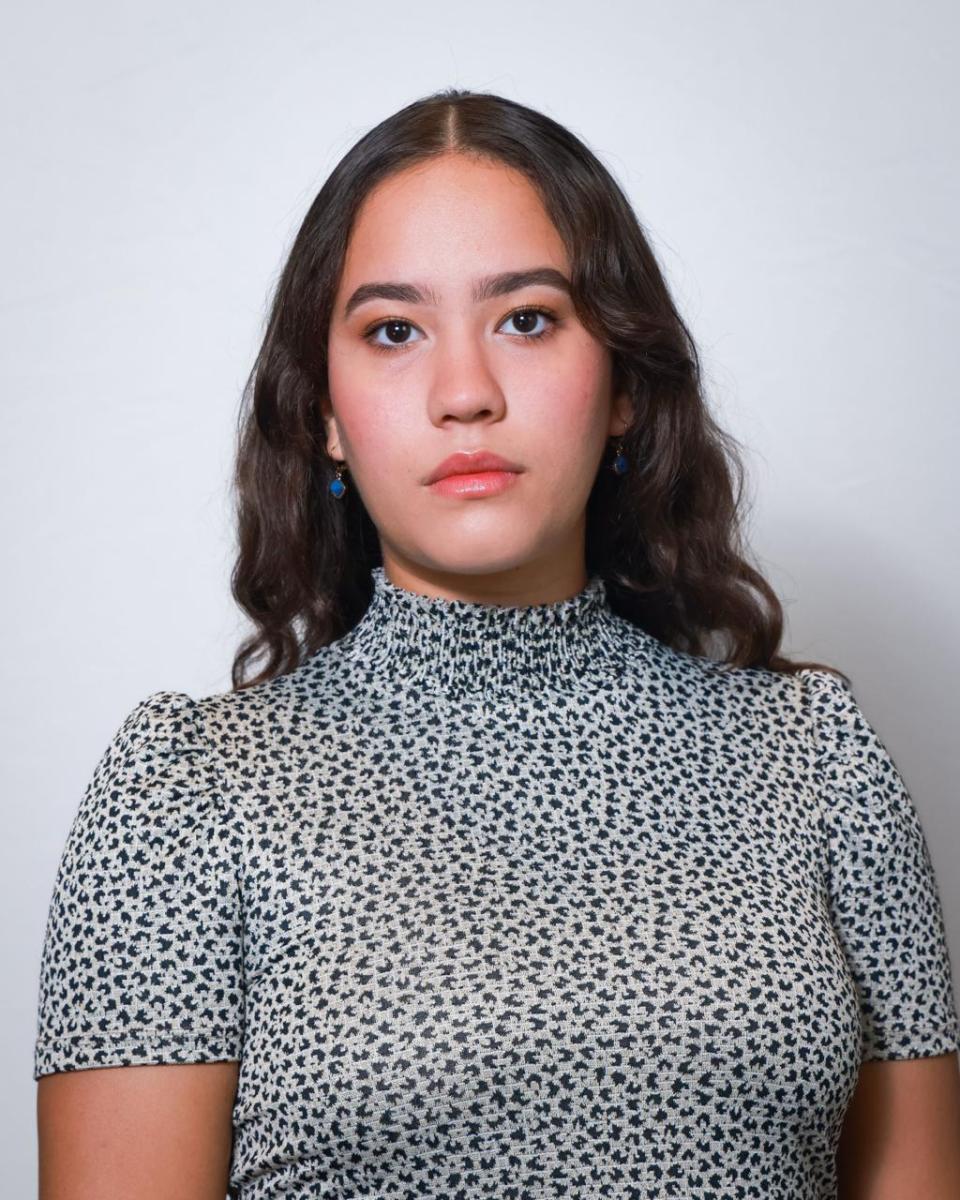
Biomedical Engineering
Astrid Daugherty is a biomedical engineering master’s student at Florida State University, where she also earned her bachelor’s degree. Her research background spans tissue engineering, biomaterials, and complex systems modeling, with a focus on understanding how physical and structural cues influence cellular behavior in health and disease. She has conducted research at the National High Magnetic Field Laboratory, the High-Performance Materials Institute, Florida State University, and Mayo Clinic Florida in a variety of biomedical-related projects.
Astrid’s work on ovarian cancer organoid models and archaeal-based hydrogels has been presented at multiple national conferences, earning awards including a first-place oral presentation at the Emerging Researchers National Conference in Washington D.C. In addition to research, she has served in leadership and mentorship roles through the Biomedical Engineering Society, UROP, and as a teaching assistant and tutor at FSU. Her long-term research interests center on integrating systems thinking with biomedical engineering to develop translational solutions for complex biological problems.
Astrid’s work on ovarian cancer organoid models and archaeal-based hydrogels has been presented at multiple national conferences, earning awards including a first-place oral presentation at the Emerging Researchers National Conference in Washington D.C. In addition to research, she has served in leadership and mentorship roles through the Biomedical Engineering Society, UROP, and as a teaching assistant and tutor at FSU. Her long-term research interests center on integrating systems thinking with biomedical engineering to develop translational solutions for complex biological problems.
Donella Meadows: Leadership Through Systems Thinking
Donella Meadows was a systems scientist and environmental thinker whose work reshaped how complex systems are understood. Meadows addressed a problem in decision-making: the tendency to treat complex systems as predictable and easily controlled. Her work demonstrated that failure across systems arises not from a lack of effort or expertise, but from misunderstanding system structure, feedback, and delay. Rather than focusing on isolated events or short-term outcomes, Meadows emphasized the importance of system dynamics: how interactions among components generate emergent behavior over time. This perspective positioned systems thinking not only as an analytical framework, but as a form of leadership capable of guiding action in conditions of uncertainty and long-term consequence.
Representations of feedback dynamics and leverage points illustrate how leaders can shift system behavior by intervening at structural levels instead of reacting to surface-level outcomes. The analysis highlights both the strengths of Meadows’ framework, such as its broad applicability, as well as its limitations, including challenges in resistance to paradigm change. This work demonstrates that Meadows’ systems-based approach offers enduring insights for leadership in any context characterized by complexity and uncertainty.
Representations of feedback dynamics and leverage points illustrate how leaders can shift system behavior by intervening at structural levels instead of reacting to surface-level outcomes. The analysis highlights both the strengths of Meadows’ framework, such as its broad applicability, as well as its limitations, including challenges in resistance to paradigm change. This work demonstrates that Meadows’ systems-based approach offers enduring insights for leadership in any context characterized by complexity and uncertainty.
Dr. Daniel Georgiadis
Florida State University Panama City
Industrial and Manufacturing Engineering
dgeorgiadis@pc.fsu.edu
{Empty}
{Empty}
Systems Thinking; Leadership; Complex Systems; Leverage Points; Emergence
https://docs.google.com/presentation/d/1Ia1qbNZTdh01X5bP72fD1pIAGklzjQY0/edit?usp=sharing&ouid=113321034765453830786&rtpof=true&sd=true
Complete
Asynchronous Online Presentation
2026
5th annual Undergraduate Research Symposium, April 17, 2025
https://pc.fsu.edu/student-research/symposium/research-symposium-program-portal?element_parents=elements/poster_pdf&ajax_form=1&_wrapper_format=drupal_ajax&token=y7bGPYShyMspW6jt2TfZ9n5S7vmjzWtYMEGALT10n5M
{Empty}