
Research Symposium Program - Individual Details
Anastasia Adams she/her 10:00 Graduate and Undergraduate presentations
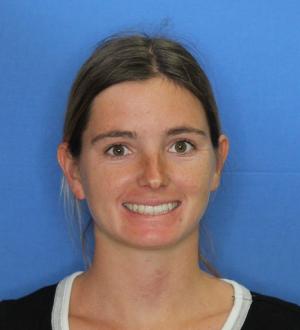
BIO
My name is Anastasia Adams and I am in the undergraduate psychology program here at Florida State University in Panama City, FL. Although my center of focus is psychology, I am passionate about conservation. When I took the biology lab for non-majors in the fall, professor Sarah Wofford-Mares taught me much about coastal erosion. I was honored when she offered me this opportunity to present the research we did last semester. The focus of the project was to determine how much shoreline armoring, or man-made infrastructure such as sea walls and jetties, affects coastal erosion and biodiversity.
Shoreline Armoring: Is it Good? Bad? Or Ugly?
Authors: Anastasia Adams, Sarah Wofford-MaresStudent Major: Psychology
Mentor: Sarah Wofford-Mares
Mentor's Department: Biology Mentor's College: Florida State University Panama City, Fl Co-Presenters:
Abstract
Natural shorelines are increasingly favored over armored shorelines in Florida due to concerns about the ecological impacts of shoreline hardening. This study examined three armored and six natural shorelines at the Florida State University campus in Panama City, Florida, to evaluate whether hardened structures contribute to localized coastal erosion. Over a four-month period, slope changes, wave energy, and biodiversity indicators (including invertebrate and vegetation richness and evenness) were measured at each site using standardized field methods. The results showed that natural shorelines located adjacent to armored structures experienced elevated erosion rates. Additionally, notable differences in biodiversity and wave energy were observed between shoreline types, with armored sites exhibiting reduced biological diversity and altered wave conditions. These patterns suggest that shoreline armoring may have physical and ecological effects that extend beyond the structure itself. In particular, the study highlights how even small-scale shoreline modifications can influence sediment transport, habitat structure, and long-term ecological resilience across adjacent coastal areas. Overall, the findings provide important insight into how shoreline design influences coastal stability and ecological health. These findings reinforce the need for shoreline designs that balance human use with ecological function, particularly as coastal communities face increasing environmental pressures. Hurricanes and other natural disasters pose significant risks to coastal communities, compounding the natural processes of erosion that continue despite human intervention. By highlighting the trade offs associated with hardened versus natural shoreline approaches, this study offers valuable guidance for future restoration planning, permitting decisions, and coastal management strategies along Florida’s increasingly vulnerable coastline.
Keywords: Conservation, Shoreline Management, Biodiversity