
Research Symposium Program - Individual Details
Corey Adams https://drive.google.com/file/d/19xSFSSeDM23X71kovnegRX6CcLIhpZmg/view?usp=sharing
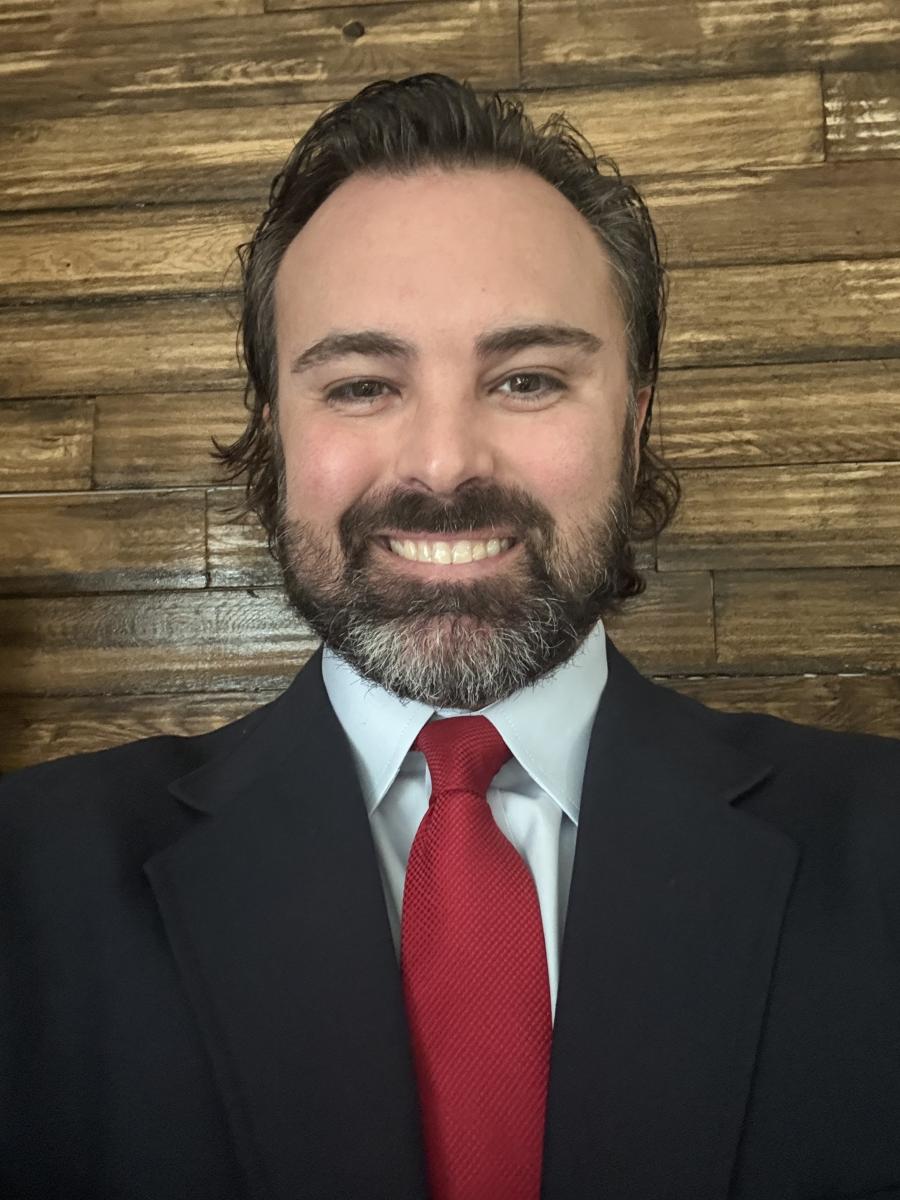
BIO
After graduating from DHS, I joined the U.S. Marine Corps and was honorably discharged six years later. My path to the MS Systems Engineering Program is unique to say the least. After serving my country, I served my local community in federal law enforcement for approximately seven years. During this time, in 2012, I graduated from the University of South Alabama with a BA in Criminal Justice. In 2018, I made a significant career change and transitioned into the construction field. I knew construction and I had several family members in the field, including my stepfather, so I felt this was the right fit for me. From then on, I have built a successful career in government construction from MILCON, Amtrak, USACE, NAVFAC, USAF, VA, etc. It was during these years and understanding the Government structure, I became extremely interested in Systems Engineering. During this time, in 2021, I received my MBA from Boise State University with an emphasis in Construction Management. I just welcomed my first child into the world in November 2025, so most of my time is spent with him and my wife.
Winston Churchill - "The Lion of London"
Authors: Corey Adams, Dr. Daniel GeorgiadisStudent Major: MS Systems Engineering
Mentor: Dr. Daniel Georgiadis
Mentor's Department: Systems Engineering Mentor's College: Florida State University Co-Presenters:
Abstract
Sir Winston Leonard Spencer Churchill (1874–1965) was a British statesman, military officer, historian, and writer who played a decisive role in shaping the political and moral landscape of the twentieth century. He is best known for his leadership of the United Kingdom during the Second World War and is widely regarded as one of the most influential leaders in modern history.
Churchill served twice as Prime Minister of the United Kingdom, first from 1940 to 1945 and again from 1951 to 1955. His first term coincided with Britain’s darkest hours in World War II. Upon assuming office in May 1940, he led a nation facing the threat of invasion by Nazi Germany. Churchill’s refusal to negotiate with Adolf Hitler, combined with his ability to inspire public morale through powerful speeches, proved critical to sustaining British resistance during the Battle of Britain and the Blitz.
Churchill died on January 24, 1965, at the age of 90. His legacy endures as a symbol of democratic resilience, strategic leadership, and the power of words during times of existential crisis.
Keywords: Churchill, Leadership, London