
Research Symposium Program - Individual Details
Emily Parks She/her 10:00 Graduate and Undergraduate presentations
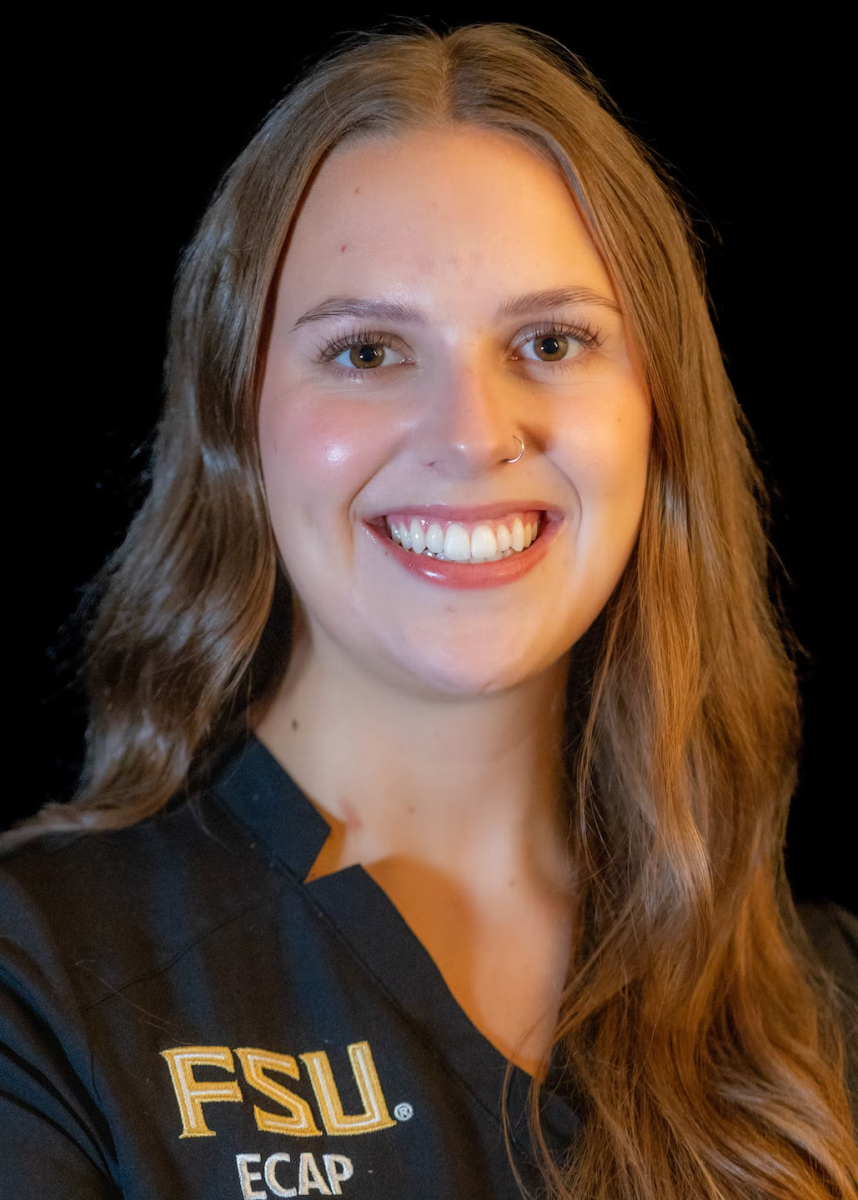
BIO
My name is Emily Parks and I am a graduate student at FSU's Master's in ABA program. I currently work at FSU's Early Childhood Autism Program (ECAP) as a registered behavior technician. I am from North Carolina and attended undergrad at University of North Carolina Wilmington. I enjoy being outdoors, swimming, reading, and having fun with the kids at work!
A Protocol for Early Vocal Manding and Tacting
Authors: Emily Parks, Zoe BowdenStudent Major: Psychology- Graduate Master's ABA
Mentor: Zoe Bowden
Mentor's Department: Graduate- ABA Mentor's College: FSU Co-Presenters:
Abstract
The client is a four-year-old female diagnosed with autism spectrum disorder and currently receives ABA services at FSU’s Early Childhood Autism Program (ECAP). The client is an energetic girl who loves to play pretend, play with slime, color, and play on the playground. She has previously demonstrated significant progress with manding via pointing and consistently engages in spontaneous points for preferred items or locations. Her current programming targets early learner skills such as motor imitation, early echoic skills, and tacting common items. Throughout sessions at ECAP, clinicians have observed that she variably attempts to repeat words or approximations of words. Therefore, clinicians elected to introduce an Initial Manding and Tacting via Vocals protocol. This program intended to capitalize on her vocal attempts and continue to introduce her to a variety of words to add to her verbal repertoire. The acquisition of vocal manding and tacting may strengthen her communication repertoire by increasing opportunities for and rates of vocal speech sound production over time. Since the implementation of this program the client has shown significant progress with the rate per hour of words emitted and the number of different spontaneous and independent words emitted.
Keywords: Applied Behavior Analysis